Slide Show “People, Places and Memories”
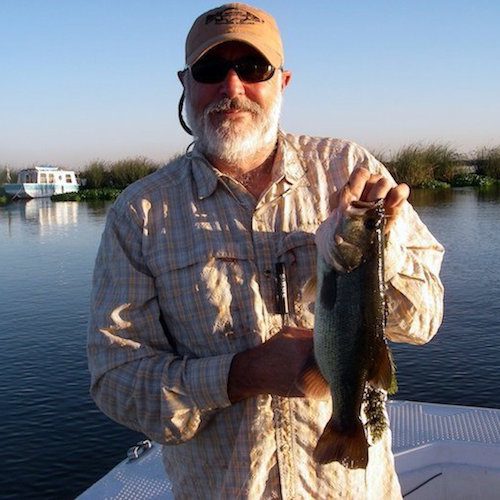
A slide show that captures the heart and soul of Fly Fishing Traditions, fishing with friends, family and new acquaintances. Welcome!
This slideshow is property of Fly Fishing Traditions
Here’s a link to the Gallery Page, where you can see additional photos and videos
Archived Articles
Fly Fishing Traditions has has many articles that contain tips, techniques, and stories about fishing here in Northern California. The Archive has a Table of Contents that list the different categories of Articles.
- (Category 1) Musings from Clay – The Big Kahuna
- (Category 2) Casting 101
- (Category 3) Stillwater Techniques and Tips
- (Category 4) Drift Boat 101
- (Category 5) FFT Techniques
- (Category 6) Nuts & Bolts
- (Category 7) Fly Patterns
- (Category 8) Gear
The Fly Fishing Traditions Archive Page! also has an index to all of the FFT articles. To see a complete table of contents and an index to the articles click below.
Fly Fishing Traditions Archive and Index to Articles!
What’s New! Stillwater Techniques and Tips

I’ve just added a new stillwater page where I will be sharing my adventures and learning process for mastering stillwaters with tips from the likes of Brian Chan and Phil Rowley. I will be adding stillwater bugs, patterns, techniques and tips as I go along. Stay tuned and learn with me.
Click Here to go to the new Stillwater Page!
Also New! Fall Special for Floating Clinic Dates
Book a trip for a Fall Floating Clinic on the Lower Yuba for 1st Time Clients or members of the Gold Country Fly Fishers.
$300 for Full Day for one angler or $325 to bring along a friend for two anglers, 8 hours, lunch and soft beverages included. Gratuity not expected but appreciated!
Click to go to the Classes and Clinics Page for more details.
Contact Clay to take advantage of this Fall Special
Don’t Forget about The “Blog”

The work will continue with the Fly Fishing Traditions Blog and you can always access it on the top menu bar with the “BLOG” tab. The blog is the “Heart and Soul” of this website and worthy content will continue to be integrated into this site on a regular basis in an attempt to keep it fresh and vital. Much of the content on this site is directly from the Blog and has been integrated here for your enjoyment, and education, to share tips, techniques, and adventures. This website is simply the “Best of the Blog”!.
Continue to the Fly Fishing Traditions Blog
FFT Guided Fishing Trips on the Yuba River
A guided fishing trip should be more than counting the number of fish caught. It is my job to help you become a more knowledgeable and skilled fly fisher. I will tailor each guided trip to your style, your preferences and your needs. I will share my knowledge of the gear, fishing techniques, bugs and flies and let you know what “bug” I’m tying on and why. Hiring me as your guide is about being well taken care of, enjoying the day, and always learning new techniques, tricks of the trade and learning about the entomology and the bugs that live in my home river.
Team up with me for a day or two to get the help you need to become a more knowledgeable and skilled fly fisher.
Contact Clay, for more information about the FFT Guided Trips or to book a day.
FFT Guided Floats on the Lower Yuba River
Full Day Trips
$375 for Full Day for one angler
$400 for two anglers
8 to 10 hours, lunch and soft beverages included.
Half Day Trips
$275 for Half Day one or two anglers, 4-5 hours, and soft beverages included.
Terminal tackle, flies, leader, and tippet provided. Loaner equipment provided if requested
p(posted). Visit the Fly Fishing Traditions Guide Page by clicking on this link
Fly Fishing Traditions Classes and Clinics
Fly Fishing Traditions is Proud in offer Classes and Clinics to become more accomplished angler. FFT offers the following classes and clinics for 2011.
With the variety of classes we offer, we can work with begineers just getting started or help tune up your casting stroke to build a working arsenal of presentation casts.
We will show you how to rigg properly for deep indicator nymphing, tight line nymphing, swinging flies and of course for presenting dry flies.
The 8 hour Floating Clinic on the Lower Yuba is the Grand Slam of Classes. We will drift you down the beautiful Lower Yuba River and teach you the techniques to be sucessful fishing there. Who knows you may land a beautifull Yuba rainbow to boot!
- Introduction to Fly Fishing I, Basic Casting
- Introduction to Fly Fishing II, Rigging, knots, and getting ready to fish
- Introduction to Fly Fishing III, “Triple Play”
- Entomolgy on the Lower Yuba River
- Drift Boat 101
- Floating Clinic on the Lower Yuba River
Recent New Article -Top 10 Habits for Fishing Stillwaters – July 2011
Phil Rowley is a strong proponent of being prepared when fishing stillwaters. This means having consistent and good habits. This also means having your equipment in order, knowing the entomology and locomotion of the bugs you will find in stillwaters and maintaining good and positive energy.
Here is a summary of Phil’s Top 10 Habits for Success on Stillwaters. I was introduced to his top 10 Habits at a “Stillwater School” he put together in Idaho. If you every get a chance to attend one of Phil’s Stillwater Schools or Seminars you won’t be sorry. You can check out Phil’s website at www.flycraftangling.com for lots of tips on fishing stillwaters or check out his schedule of events for schools and seminars.
(1) Equipment – Everyone should purchase a good kit bag and stock it with all the essentials for stillwaters. Dedicate this bag to stillwaters and don’t try to have one bag cover both streams and stillwaters. Use two rods and carry multiple lines. Here’s some of the equipment you will need to add to your stash.
- Kit Bag – Maintain a well equipped Stillwater bag and restock as soon as possible. Sage makes a good one. You can also check out Fishpond and Cabelas. Just make sure its big enough and if possible water proof or at least water resistant.
- Rods – Always rigg two Rods. I’d recommend a 9’6" or 10’ six weight and a 9’0 or 9’6" 5 weight. The longer the better. Of coarse, the size of the fish you are searching for may dictate other choices.
- Lines – A well prepared stillwater angler should carry a Floating, Intermediate, Clear Camo, Outbound Hover, Sinking Type III through Type VII. If in a pinch for sinking lines, you can get by with two full sink lines. Carry a Type III and a Type V or Type VII.
- Sunglasses- Always wear polarized glasses. You can see through the water and they add a level of safety. Who wants to get a fly stuck in their eye?
- Watercraft – You can set up a Pram, Pontoon Boat or Belly Boat for fishing stillwaters. Make your choice, portability, budget and comfort all are factors, they all work.
- Notepad – Keep a notepad in your kit bag. You can get waterproof ones from a surveyor’s supply store. They use them for doing their outdoor surveying work.
- Extra Nippers and Forceps – Always carry extra nippers and forceps. You never know what can get loose when you’re fishing in a body of water.
- Indicators – Carry Slip Indicators, Corkie Indicators, and yarn indicators in different sizes. You may need them all in different conditions.
- Split Shot and Swivels – Carry an assortment of split shot and swivels for rigging your slip indicators.
- Floatant and Desiccant – Carry your favorite floatant and Desiccant to keep your dries and emergers where you want them. Learn how to apply them properly.
- Sunscreen and Insect Repellent – Can’t do without it!
- Tylenol, Advil and Benedryl – Carry a bag with these items. You never know when you or a friend my need them.
Article from the Bugs Page

On the Bugs Page you will be able to view the bugs that live in the Lower Yuba River, their entomology and habitats.
You’ll find detailed information about the caddis, mayflies and stoneflies that reside in the Lower Yuba River, their habitat and techniques for presenting the flies that match them. You’ll also find information about the terrestrials and the salmon eggs that are present in the system from the native runs of chinook salmon.
Just to set the record straight, I don’t claim to be a professional entomologist, just a working class fishing guide who knows how to go about selecting flies to match our local bugs!
The information in the Bugs Page will tie to the Lower Yuba River Hatch Chart to help you match the hatches.
Sample Article: The Baetis Complex

Here in Northern California and as we head into the fall and winter it is time to get ready for the main portion of our blue wing olive season. This is an over view of the Baetis Complex, or in common terms the Blue Wing Olive complex, that we will encounter here in Northern California and in the west.
Family Baetidae
The Baetis group of mayflies represents the most complex family of mayflies. The Baetis are of the Swimmers group of mayflies. There are sixteen genera and more than 60 species of Baetidae that occur in the west. This is often referred to as the Baetis complex. It is considered by many, to be the most important of all western hatches. The BWO hatches are so diverse and can be so prolific that they cause more selective feeding, more often than any other insect group. This is why getting to know and understand the Baetis complex is so important.
The most important thing to remember is that fly patterns for one species of Baetis will be just as effective for the others. You will need to change the size and the color as you encounter the different species on the river that you find yourself.
Here’s a link to the Bugs Page, with all the bugs
Here’s a link to the Lower Yuba Hatch Chart that will show you when the bugs are hatching


I have been dedicated to the pursuit of fly fishing and it’s various skills for over 25 years. These days I spend most of my fishing time enjoying the experiences of fishing the Lower Yuba River, Lower Sacramento River, Trinity River and the Klamath River in Calfornia, mainly from the view of my rowers seat in my Hyde drift boat or my Fishcraft raft. I enjoy helping and teaching my friends and family while experiencing the days floating or wade fishing the rivers in beautiful environments. Please come on board and enjoy! Lets make some new “traditions”.